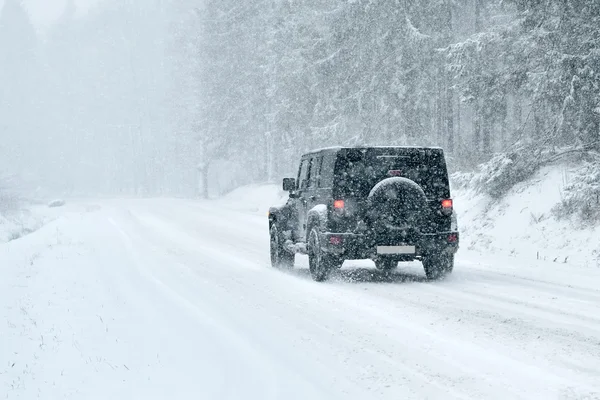
Winter brings with it the beauty of snow-covered landscapes, but it also introduces a host of challenges for drivers. Snowy and icy roads can be treacherous, leading to an increased risk of accidents. As an independent insurance agent, it’s crucial to provide your clients with valuable information on how to stay safe during winter driving. Here, we explore the hazards of driving in the snow and offer practical tips to help prevent accidents.
Understanding the Hazards of Snowy Roads
Driving in the snow is inherently risky due to several factors. Reduced visibility, slippery surfaces, and unpredictable weather conditions can all contribute to dangerous driving scenarios. Snow and ice can significantly reduce tire traction, making it difficult to control the vehicle, especially when braking or turning. Additionally, snow can obscure road markings and signs, adding to the confusion and potential for mishaps.
Common Hazards Include:
- Reduced Traction: Snow and ice create a slick surface that can cause tires to lose grip, leading to skids and slides.
- Limited Visibility: Falling snow and fog can obscure vision, making it hard to see other vehicles, pedestrians, and road signs.
- Black Ice: This invisible layer of ice can form on roads, especially on bridges and overpasses, catching drivers off guard.
- Snow Drifts: Accumulations of snow can block lanes and create unexpected obstacles.
Tips to Prevent Winter Driving Accidents
While the hazards of winter driving are significant, there are several strategies that drivers can employ to reduce the risk of accidents. Here are some essential tips:
Prepare Your Vehicle
- Winterize Your Car: Ensure your vehicle is equipped with winter tires, which provide better traction in snowy and icy conditions. Check that your brakes, battery, and windshield wipers are in good working order.
- Keep Emergency Supplies: Carry an emergency kit in your car, including items like a blanket, flashlight, ice scraper, and first-aid supplies.
Adjust Your Driving Habits
- Slow Down: Reduce your speed to maintain better control of your vehicle. Remember that stopping distances increase on slippery roads.
- Increase Following Distance: Allow more space between your vehicle and the one in front to give yourself ample time to react to sudden stops.
- Use Gentle Movements: Avoid sudden acceleration, braking, or sharp turns. Smooth and gradual movements help maintain traction.
- Stay Alert: Pay close attention to the road and be aware of changing weather conditions. Avoid distractions and keep both hands on the wheel.
Plan Ahead
- Check Weather Reports: Before heading out, check the weather forecast and road conditions. If travel is not essential, consider postponing your trip.
- Know Your Route: Familiarize yourself with the route and identify any potential hazards or detours.
Stay Safe This Winter
Driving in snowy conditions requires extra caution and preparation. By understanding the hazards and implementing these safety tips, you can significantly reduce the risk of accidents on winter roads. Remember, safety should always be your top priority.
For more personalized advice or to review your auto insurance coverage, feel free to reach out to our agency. We’re here to help you stay protected and informed throughout the winter season.