
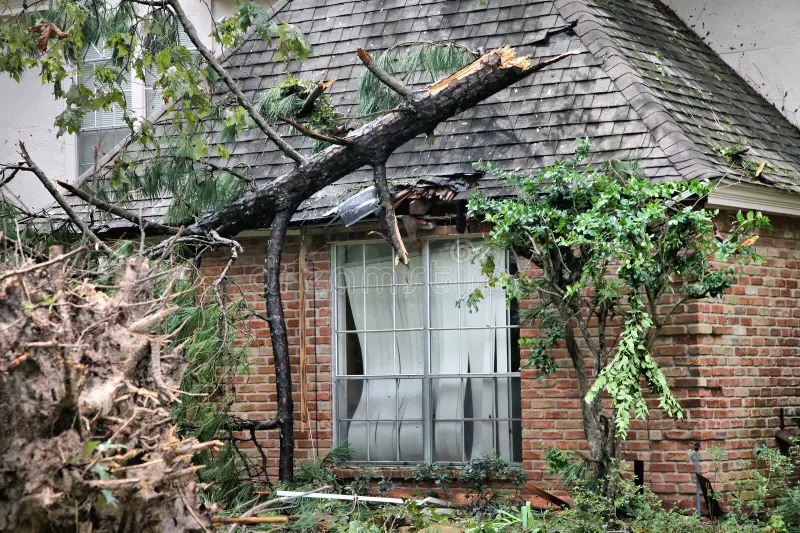
When it comes to home insurance, one of the less obvious but significant concerns is the risk posed by trees, particularly those with overhanging branches. While trees add beauty and value to your property, they can also present potential hazards that might lead to insurance claims. Understanding these risks and taking proactive steps can help you maintain your insurance coverage and protect your home.
The Concerns of Tree Overhang for Insurance Carriers
Insurance carriers are increasingly attentive to the risks associated with trees, especially those that overhang onto your property or your neighbors’. Overhanging branches can lead to a variety of issues:
- Property Damage: During storms or high winds, branches can break and fall, causing damage to roofs, windows, and other parts of your home.
- Liability Risks: If a tree or branch from your property falls and causes damage to a neighbor’s property, you might be held liable for the repairs.
- Safety Hazards: Falling branches pose a risk to personal safety, potentially causing injury to people on your property.
These risks can influence your insurance premiums and coverage options. Insurance carriers may require homeowners to address tree overhang issues as part of their policy conditions.
Preventing Claims from Falling Trees and Limbs
Taking proactive measures can significantly reduce the risk of damage from trees and help maintain favorable insurance terms. Here are some steps you can take:
Regular Tree Maintenance
- Pruning: Regularly prune trees to remove dead or weak branches that could fall during a storm. This not only reduces the risk of damage but also promotes healthy tree growth.
- Professional Inspections: Hire a certified arborist to inspect your trees periodically. They can identify potential hazards and recommend necessary actions.
Strategic Planting
- Location Considerations: When planting new trees, consider their mature size and proximity to your home and other structures. Planting trees too close to buildings can lead to future overhang issues.
- Species Selection: Choose tree species that are less prone to breakage and are suitable for your local climate.
Monitoring and Action
- Weather Awareness: Be vigilant during severe weather conditions. If a storm is forecasted, take precautions to secure your property and inform family members of potential hazards.
- Immediate Response: If a tree or branch falls, act quickly to assess the damage and contact your insurance provider to understand your coverage and next steps.
Why Proactive Measures Matter
By taking these preventive steps, you not only safeguard your property but also demonstrate to your insurance carrier that you are a responsible homeowner. This can positively impact your insurance premiums and ensure that you have the necessary coverage in place.
If you have concerns about tree overhang or want to learn more about how it affects your insurance policy, don’t hesitate to reach out to our agency. We’re here to provide guidance and help you make informed decisions about protecting your home and property.